
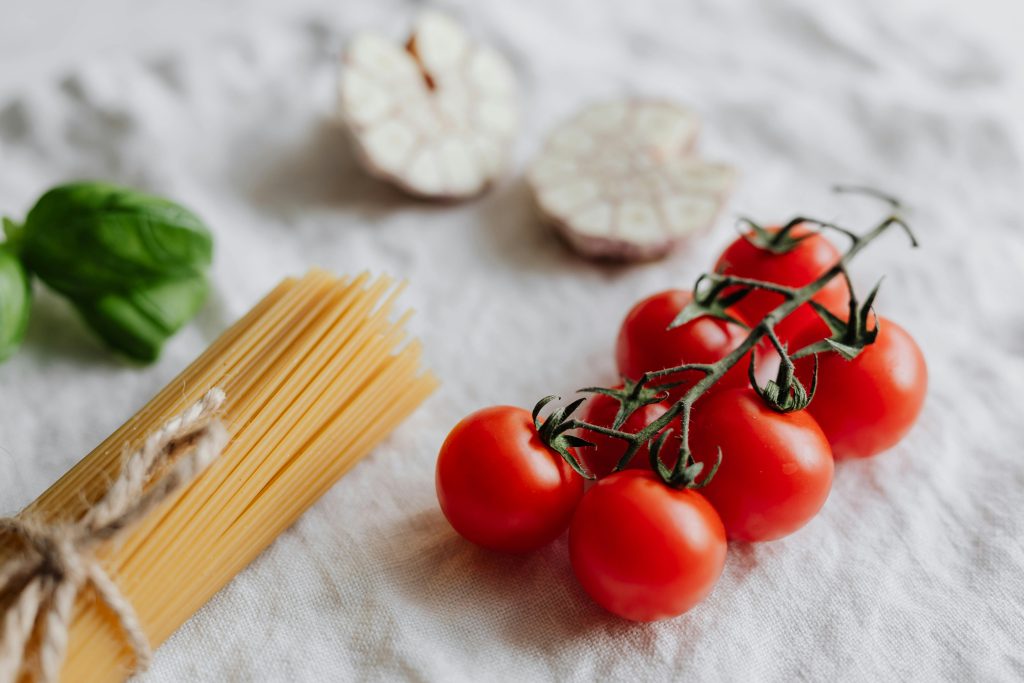
Few ingredients define Italian cuisine quite like tomatoes. From vibrant marinara sauces to slow-simmered ragù, tomatoes serve as the foundation of many beloved Italian dishes. Yet many chefs and home cooks agree that Italian tomatoes taste different—richer, sweeter, and more balanced than many varieties grown elsewhere. This distinctive flavor comes from a combination of tomato varieties, growing conditions, and traditional agricultural practices that have been perfected in Italy for generations.
The Importance of Tomato Varieties in Italian Cooking
One of the key reasons for the unique taste of Italian tomatoes is the specific varieties traditionally grown in the country. Among the most famous are San Marzano tomatoes, which are widely considered the gold standard for Italian tomato sauce. These tomatoes are known for their elongated shape, thick flesh, low seed count, and naturally sweet, mildly acidic flavor. Because of this balance, San Marzano tomatoes are often used in classic recipes such as Neapolitan pizza sauce, pasta sauces, and Italian tomato-based soups.
Other popular varieties, such as Roma tomatoes and Datterini tomatoes, are also widely used in Italian cooking. Each variety offers a slightly different flavor profile, allowing chefs to choose the best tomatoes for sauces, salads, or slow-cooked dishes. This attention to variety plays a major role in the depth and authenticity of traditional Italian food.
Soil and Climate: The Secret Behind the Flavor
Beyond the tomato varieties themselves, Italy’s soil and climate play a crucial role in shaping their flavor. Many of Italy’s most famous tomatoes are grown in regions with volcanic soil, particularly around Mount Vesuvius near Naples. This mineral-rich soil contributes to the complexity and sweetness of the tomatoes, helping them develop their distinctive taste.
Italy’s Mediterranean climate also provides ideal growing conditions. Long sunny days, moderate rainfall, and warm temperatures allow tomatoes to ripen slowly and naturally. This slower ripening process helps concentrate sugars and acids within the fruit, resulting in the balanced flavor that makes Italian tomatoes ideal for sauces and traditional recipes.
Why Italian Tomatoes Are Perfect for Sauces
The combination of specific tomato varieties, fertile soil, and a favorable climate produces tomatoes with the perfect characteristics for cooking. Many Italian tomatoes have dense flesh, fewer seeds, and lower water content, making them ideal for creating thick, flavorful pasta sauces and tomato-based dishes without excessive cooking time.
For this reason, Italian-grown tomatoes have become a staple ingredient in kitchens around the world. Whether used in a simple tomato basil sauce or a complex slow-cooked ragù, their rich flavor continues to define the authenticity and tradition at the heart of Italian culinary culture.