In cities, towns, and villages across Italy, local markets are far more than places to shop—they are living expressions of Italian culture. From bustling piazzas to narrow neighborhood streets, Italian markets celebrate fresh, seasonal ingredients and bring communities together through food, tradition, and daily ritual. For anyone passionate about Italian food, these markets offer an authentic look into the soul of Italian life.
A Celebration of Seasonal Italian Ingredients
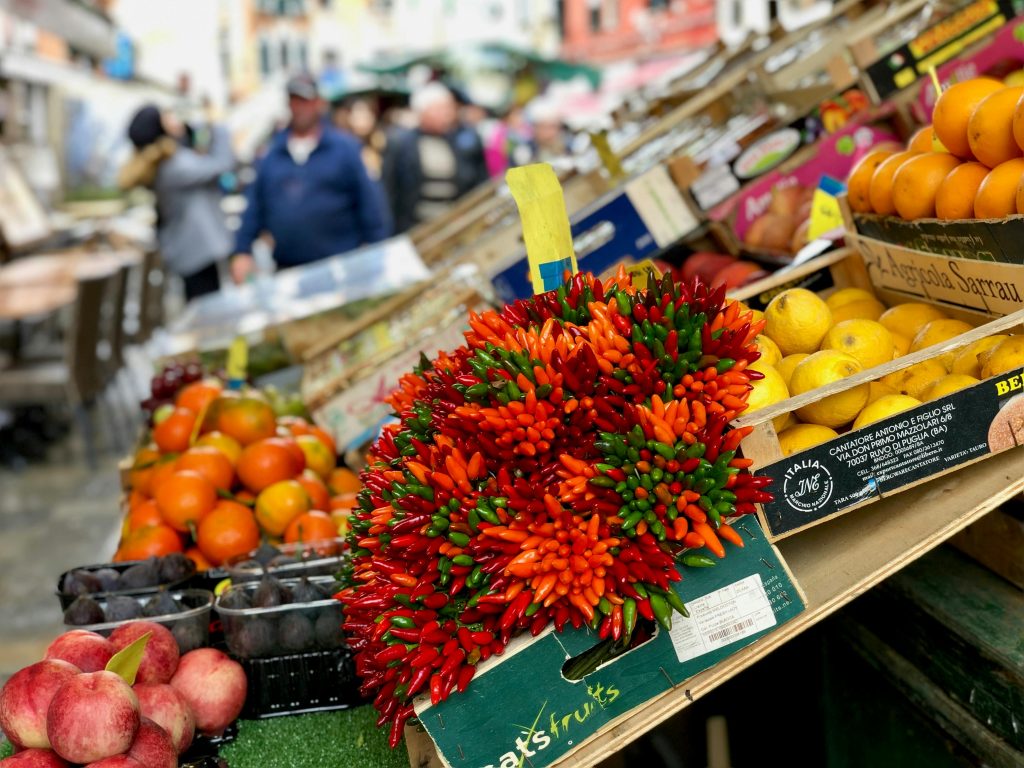
Italian markets reflect the country’s deep respect for seasonality. Stalls are filled with what’s freshest and at its peak—ripe tomatoes in summer, artichokes in spring, citrus in winter, and mushrooms in autumn. This seasonal approach is foundational to Italian cuisine, where meals are built around what the land provides at that moment.
Vendors often specialize in just one or two products, such as olive oil, cheese, or produce, ensuring exceptional quality. Shoppers can taste, ask questions, and learn how ingredients are traditionally prepared, creating a direct connection between Italian farmers, artisans, and home cooks.
Where Food and Community Meet
Italian markets are also social spaces. Locals greet vendors by name, exchange recipes, and catch up on daily life. This sense of connection is central to Italian culture, where food is inseparable from relationships and shared experiences. Markets are where culinary traditions are passed down—where a grandmother teaches her grandchild how to choose the best tomatoes or when a vendor explains which pasta shape pairs best with a seasonal sauce.
The energy of an Italian market—the colors, aromas, and sounds—creates a vibrant atmosphere that reflects the joy Italians take in food and everyday living.
Bringing Italian Market Freshness Home
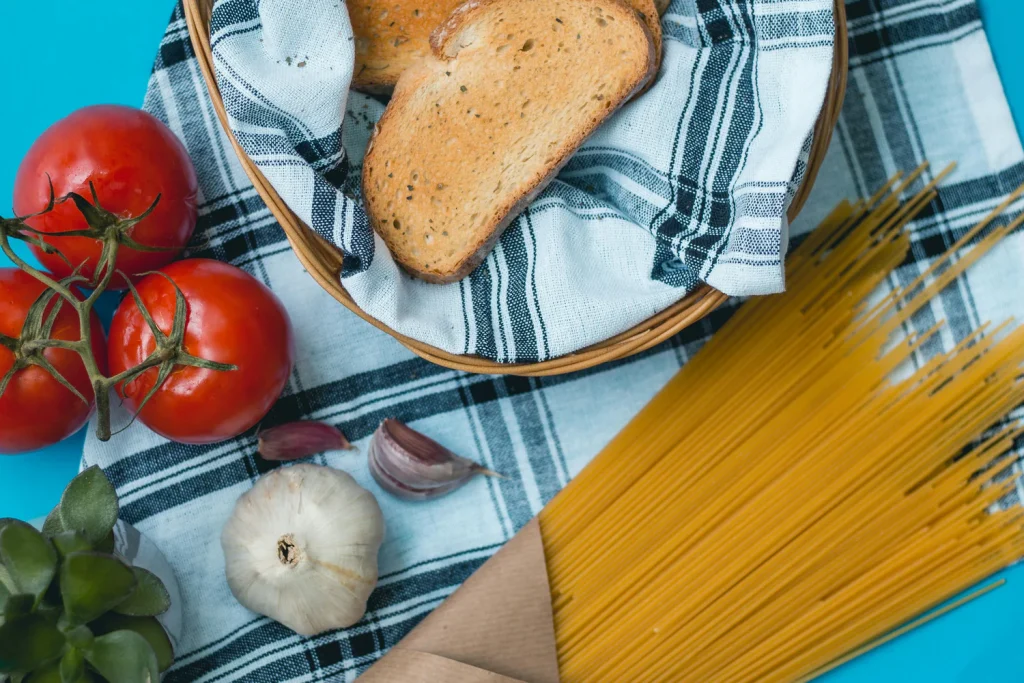
You don’t need to live in Italy to cook like an Italian. Start by shopping seasonally, choosing fresh produce and high-quality ingredients whenever possible. Look for Italian pantry staples such as extra virgin olive oil, dried pasta made from durum wheat, canned Italian tomatoes, and aged cheeses like Parmigiano Reggiano.
When cooking, keep preparations simple. Italian recipes often use just a few ingredients, allowing natural flavors to shine. A fresh tomato sauce, a simple pasta with olive oil and herbs, or grilled vegetables finished with sea salt can capture the essence of Italian market cooking.
A Timeless Italian Tradition
Italian markets remain the heart of local culture because they celebrate what matters most: freshness, quality, and community. By embracing seasonal Italian ingredients and mindful cooking, you can bring a piece of that vibrant market tradition into your own kitchen—one delicious meal at a time.