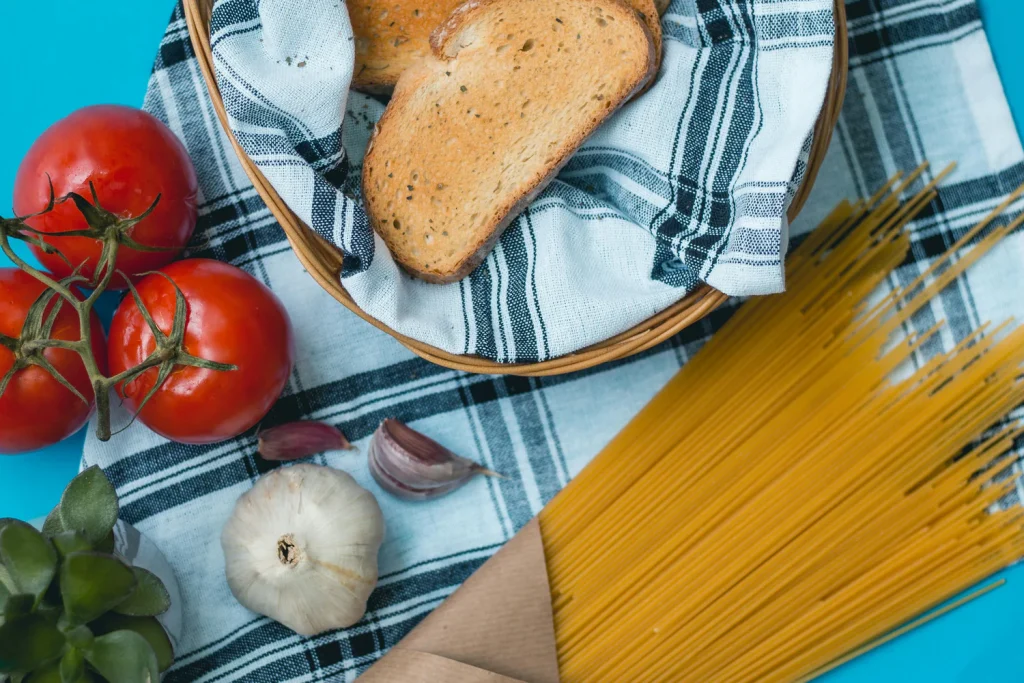
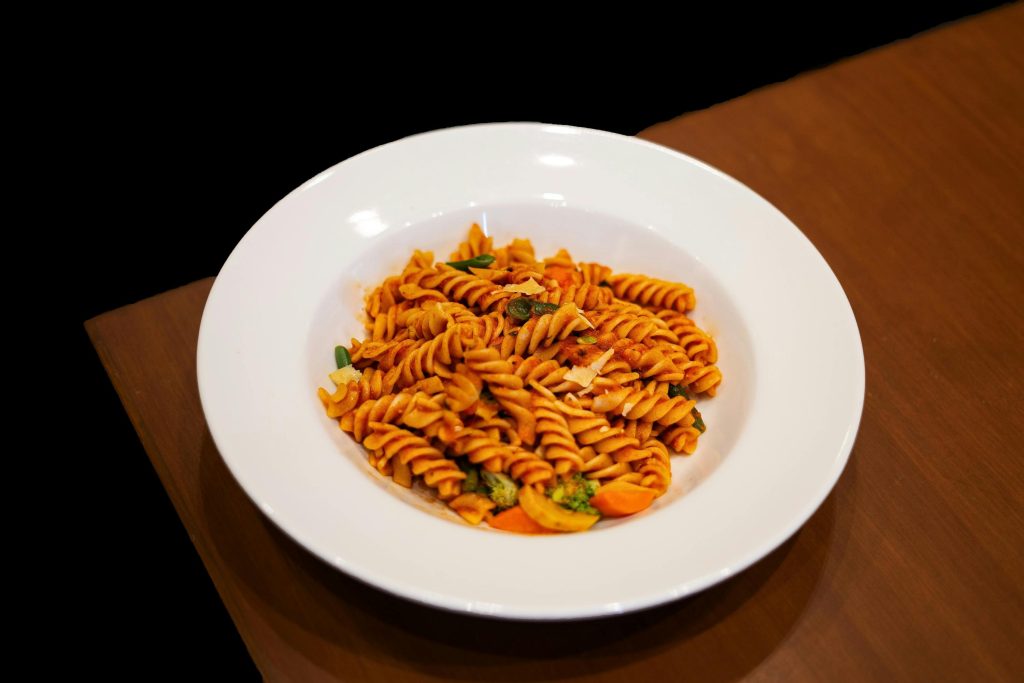
Italian cuisine is often misunderstood as elaborate or indulgent, but at its core, it proves one simple truth: less is more. The magic of traditional Italian cooking doesn’t come from long ingredient lists or complicated steps. Instead, it comes from time-tested techniques that build depth, balance, and character using just a few high-quality components. This philosophy is what defines Italian cooking traditions and sets them apart.
One of the most essential foundations of Italian culinary traditions is soffritto. This simple blend of finely chopped onion, carrot, and celery, gently cooked in olive oil, appears in countless dishes across Italian regional cuisine. When cooked slowly and patiently, soffritto releases natural sweetness and aroma, creating a deep base of flavor before any main ingredients are added. It’s a perfect example of how Italians layer flavor early, rather than relying on excess seasoning later.
Proper seasoning is another cornerstone of Italian food techniques. Salt isn’t just added at the end — it’s used thoughtfully throughout the cooking process. Pasta water is salted generously, vegetables are seasoned as they cook, and sauces are adjusted gradually. This method ensures that every layer of a dish is well-balanced, answering the common question of why Italian food tastes so flavorful with so few ingredients.
Olive oil also plays a dual role in Italian cooking. It’s not just a cooking fat, but a finishing ingredient. A drizzle of high-quality extra virgin olive oil added at the end of a dish enhances aroma, mouthfeel, and richness without overpowering other flavors. This technique highlights the importance of ingredient quality, a defining trait of authentic Italian recipes.
Fresh herbs, when used, are treated with restraint. Basil, rosemary, or oregano are chosen to complement, not compete. Rather than mixing many herbs, Italian cooks focus on one or two that reflect the region and season. This approach reinforces how Italian cuisine relies on simplicity to achieve complexity.
Ultimately, Italian food philosophy is about respect — for ingredients, tradition, and balance. By mastering a few classic techniques and prioritizing quality over quantity, Italian cooking creates dishes that feel effortless yet deeply satisfying. It’s proof that you don’t need more ingredients to make better food — you just need to use them well.